

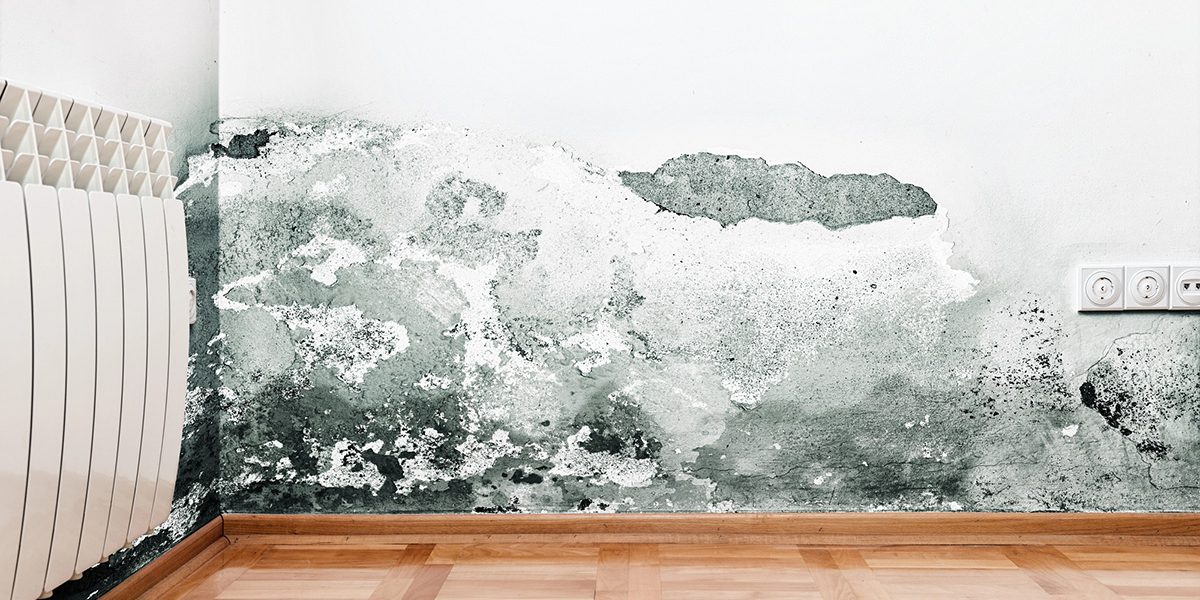
Water is one of the most serious threats to homes in South Carolina. It’s capable of causing extensive structural damage, ruining personal possessions and creating conditions for widespread mold infestation. And you may not even know it’s happening.
Preventing Water Damage In Your Home
Left unchecked, water intrusion can lead to costly repairs and pose a significant health hazard. Take proactive steps to prevent it by understanding the most common causes of water damage.
Common Causes Of Water Damage
- Leaking or Broken Pipes
Water pipes can deteriorate over time, causing slow leaks or sudden bursts. Factors such as age, corrosion and freezing temperatures can eventually lead to pipe failure. - Overflowing Sinks and Toilets
Clogged drains can cause sinks and toilets to overflow, potentially flooding bathrooms, kitchens and utility areas. - Faulty Appliances
Washing machines, dishwashers and water heaters can also develop leaks, usually due to worn seals or connections. - Clogged Gutters
When gutters and downspouts are blocked by debris, water can flow over the sides and seep into the home’s foundation or walls instead of being directed away from the house. - Sewage Backups
Blockages in the main sewer line or heavy rainfall can cause sewage to back up into homes, leading to flooding.
How to Prevent Water Damage
- Regular Inspections
Perform a routine examination of your home’s plumbing from time to time, checking accessible pipes, faucets and fixtures for signs of leaks such as water stains, dampness, mold or mildew. - Maintain Appliances
Follow your owner’s manual for recommended appliance maintenance. Replace hoses if they show signs of damage or deterioration, and ensure tight connections to prevent leaks. - Gutter Care
Gutters are a key component in preventing water damage in and around your home. Clean your gutters at least twice a year — more frequently if you have a lot of trees near your home — and make sure the downspouts are directing water away from the foundation. - Install Leak Detectors
These can be purchased from your local hardware store. Place water leak detectors near appliances, in basements and in other areas prone to water damage. - Know Shutoff Points
Familiarize yourself with the location of your main water shutoff valve and individual appliance shutoffs. In the case of a major leak, knowing where these are at will enable you to stop it quickly. - Sump Pump Maintenance
If you have a sump pump, test it occasionally to make sure it’s in good operating condition. Consider installing a battery backup to ensure it functions during a power outage.
Understanding the common causes of water damage and implementing preventive measures can significantly reduce the risk of costly repairs and long-term issues. Regular inspections, proper maintenance of appliances and gutters, and the installation of leak detection devices are important precautions to take to keep your home safe.
Keep in mind that addressing potential problems quickly is the best way to keep minor issues from turning into major disasters. Don’t hesitate to consult with a professional for regular maintenance or if you suspect any water-related issues in your home.
Are you experiencing water damage in your home? Adams & Coe can help make everything good as new! Visit our website to request a project quote.